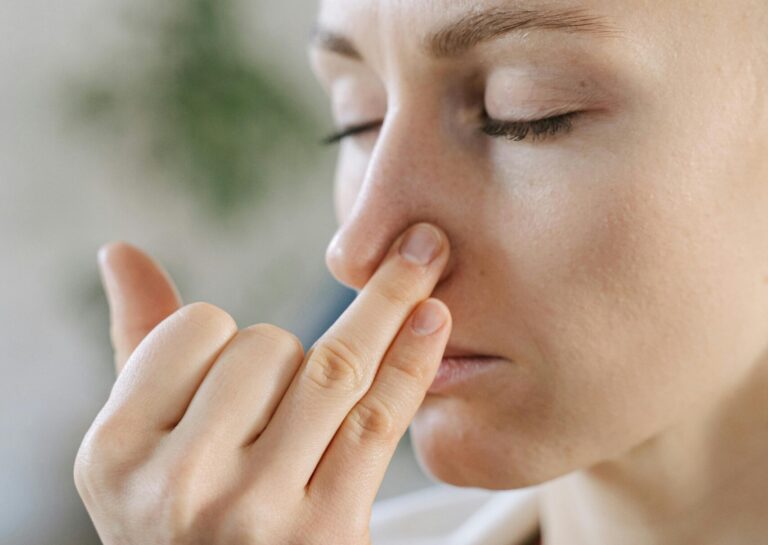
In the hustle of modern life, we often forget the most basic, life-sustaining act: breathing. Ancient yogis, however, recognized that the breath is not just air — it is prāṇa, the vital life force.
Pranayama, the fourth limb of Patanjali’s Eight Limbs of Yoga, is the science of breath control. It’s not merely a breathing technique but a gateway to physical vitality, emotional clarity, and spiritual awakening.
Let’s explore how pranayama serves as a profound healing tool, backed by both yogic wisdom and modern science.
🧘♀️ What Is Pranayama?
The Sanskrit word Pranayama is made up of:
- Prana = life force energy
- Ayama = to extend or control
So, pranayama literally means “the extension and regulation of life force.” It teaches us to breathe consciously, rhythmically, and deeply — turning something automatic into something transformative.
💠 How Pranayama Heals the Body and Mind
🫁 1. Increases Lung Capacity and Oxygenation
Breath is fuel. Slow, controlled breathing:
- Improves lung function
- Increases oxygen supply to cells
- Removes carbon dioxide and toxins
- Energizes the brain and muscles
🧬 Scientific studies show that pranayama can improve respiratory health and increase oxygen absorption by up to 15–20%.
😌 2. Calms the Nervous System
Pranayama activates the parasympathetic nervous system — the “rest and digest” mode. This reduces:
- Heart rate
- Blood pressure
- Stress hormones (like cortisol)
As a result, it lowers anxiety, improves sleep, and reduces mental fatigue.
🧘 Even just 5 minutes of deep breathing can shift the body from stress to serenity.
🩺 3. Strengthens the Immune System
Pranayama increases the movement of lymph and promotes healthy circulation, supporting immune function.
- Humming breath (Bhramari) increases nitric oxide, which is antimicrobial
- Deep breathing enhances detoxification
- Calm breathing supports gut health — where 70% of immune cells live
🌿 A stronger immune system begins with a well-regulated breath.
🧠 4. Improves Mental Clarity and Focus
By regulating breath, we quiet the fluctuations of the mind. This enhances:
- Concentration (Dharana)
- Awareness
- Decision-making
- Emotional resilience
🧘♂️ Breath is the bridge between body and mind. When the breath is steady, so is the mind.
🌬️ Popular Pranayama Techniques for Healing
1. Nadi Shodhana (Alternate Nostril Breathing)
- Purpose: Balances right and left brain, reduces anxiety
- How to: Inhale through the left nostril, exhale through the right; repeat alternating
- Benefits: Mental clarity, emotional balance, deep relaxation
2. Bhramari (Humming Bee Breath)
- Purpose: Soothes nerves, boosts nitric oxide
- How to: Inhale deeply, then exhale with a soft humming sound
- Benefits: Eases migraines, improves sleep, reduces anger
3. Kapalabhati (Skull Shining Breath)
- Purpose: Detoxifies body, energizes mind
- How to: Forceful exhale through the nose, passive inhale
- Benefits: Clears sinuses, strengthens core, improves digestion
4. Ujjayi (Victorious Breath)
- Purpose: Focus during asanas, calms nervous system
- How to: Slightly constrict the throat while breathing slowly
- Benefits: Builds inner heat, increases awareness
5. Sheetali & Sheetkari (Cooling Breath)
- Purpose: Reduces heat, calms body
- How to: Inhale through curled tongue or teeth, exhale through nose
- Benefits: Alleviates anger, hot flashes, acidity
🕉️ How to Begin a Healing Pranayama Practice
- Find a quiet space: Sit comfortably with a straight spine
- Start small: 5–10 minutes a day is powerful
- Practice on an empty stomach
- Be consistent: Even 5 minutes daily is more effective than 30 minutes once a week
- Observe the breath: No force, no rush — awareness is key
📿 The breath should be soft, smooth, and silent — like silk flowing through air.
🔬 What Science Says About Pranayama
Numerous studies confirm pranayama’s therapeutic effects:
- Reduces symptoms of asthma and bronchitis
- Helps manage anxiety and depression
- Supports heart rate variability and cardiovascular health
- Improves cognitive function and attention span
📚 Harvard Medical School and AIIMS Delhi have both published research affirming pranayama’s physical and psychological benefits.
✨ Final Thoughts: Your Breath Is Your Power
“If you control your breath, you control your mind. If you control your mind, you control your life.” – Swami Sivananda
Pranayama is not just a technique — it’s a lifeline to healing. It is free, portable, ancient, and deeply transformative.In a world full of noise and stimulation, pranayama invites us back to the stillness within, where true healing begins — one breath at a time.